How to use: Mix equal parts apple cider vinegar and water, soak a cotton ball, apply it to the area, and leave on for 10–15 minutes before rinsing.
Purpose: Thought to have antibacterial and tightening properties that may help with inflamed or infected skin.
Tea Tree Oil
How to use: Dilute a few drops of tea tree oil with a carrier oil such as coconut or olive oil, then apply gently with a cotton swab once or twice a day.
Purpose: Known for antiseptic and anti-inflammatory qualities that may help soothe irritation and reduce infection risk.
Turmeric Paste
How to use: Combine turmeric powder with water or coconut oil to create a paste, apply it to the lump, cover with a clean bandage, and leave on for 30–60 minutes daily.
Purpose: Contains curcumin, which has anti-inflammatory and antibacterial properties that may help calm irritated skin.
Aloe Vera Gel
How to use: Apply fresh aloe vera gel or a pure store-bought gel directly to the lump twice a day.
Purpose: Provides cooling relief and is valued for its soothing, moisturizing, and mild antibacterial effects.
Castor Oil
How to use: Soak a clean cloth in castor oil, place it over the lump, cover with a warm compress, and leave on for 15–30 minutes each day.
Purpose: May help reduce inflammation and soften cystic tissue due to its ricinoleic acid content.
When to Consult a Doctor
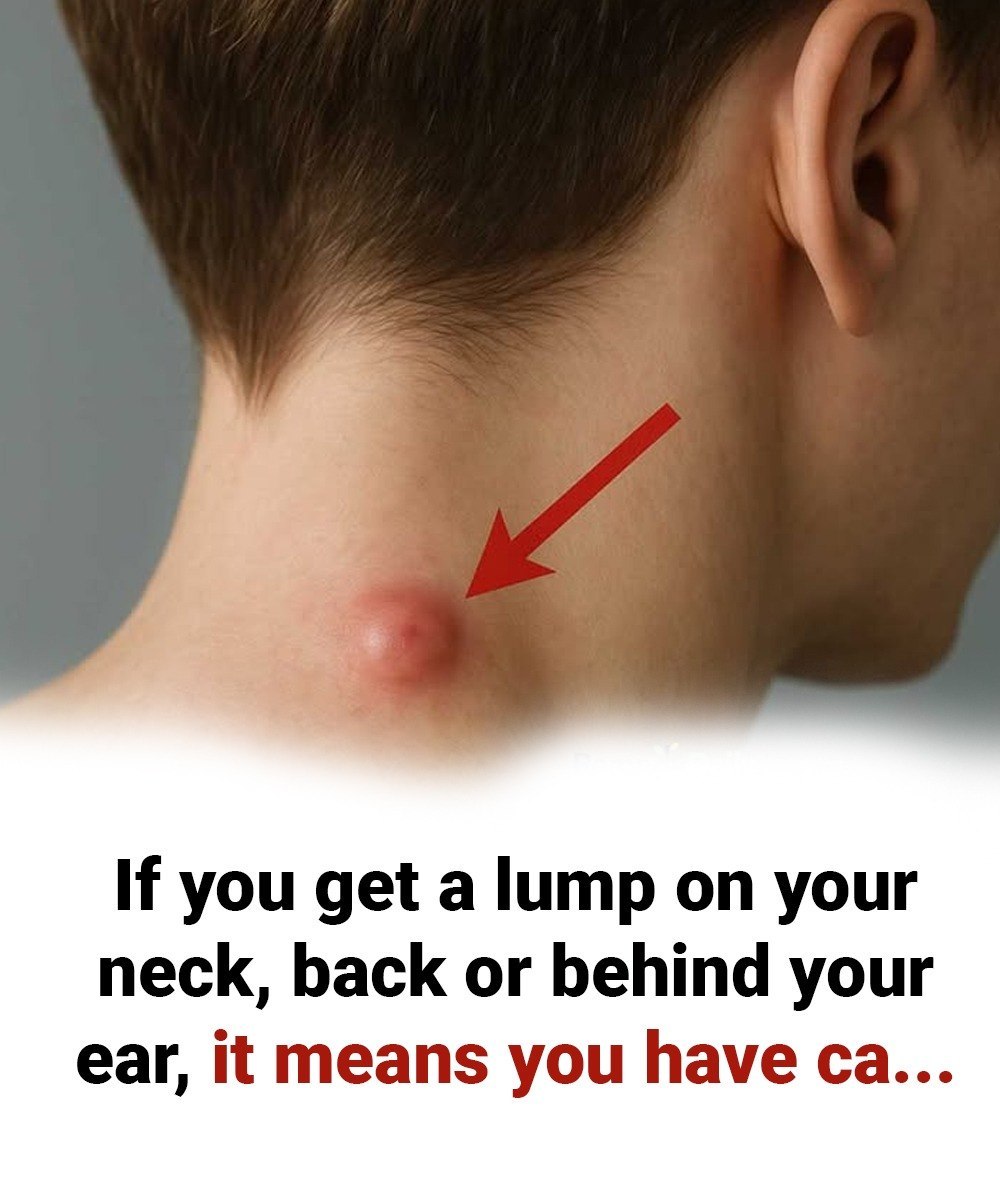
Although many lumps are harmless, you should seek medical advice if a lump changes in size, shape, or color, becomes painful, or shows signs of infection. Medical evaluation is also important if the lump is accompanied by symptoms such as fever or unexplained weight loss. Early assessment and treatment can help prevent complications and lead to better outcomes.
Caring for a Lump at Home
Good home care can help ease discomfort and lower the risk of infection. Keep the area clean and dry, and avoid squeezing, scratching, or picking at the lump, as this can cause infection or scarring. Applying a warm compress several times a day may help reduce swelling and relieve tenderness. Over-the-counter pain relievers can be used if needed. If you notice signs of infection—such as increasing redness, warmth, swelling, or discharge—seek medical care promptly.
Risks and Possible Complications of Home Remedies
Although home treatments may feel convenient, they come with potential risks. Trying to pop or drain a cyst on your own can lead to infection, scarring, or worsening of the condition. Some home remedies may also irritate the skin or trigger allergic reactions. It’s important to use caution and consult a healthcare professional if you’re unsure or concerned.