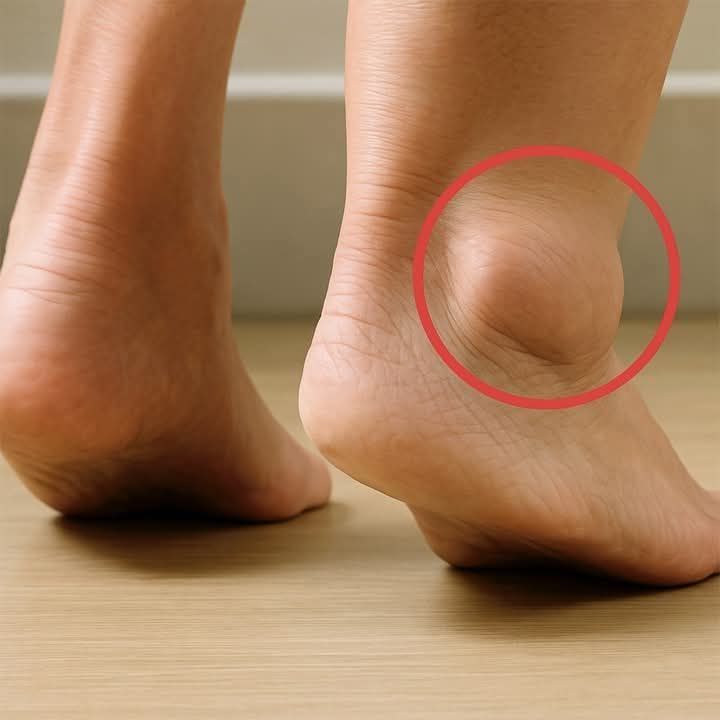
Lack of certain nutrients may worsen swelling:
Magnesium, vitamin E, and omega-3s help regulate circulation and water balance
Consult your doctor before taking supplements to ensure proper dosage
🧴 6. Massage with Essential Oils
Using circular motions, massage your legs and feet with a carrier oil (like sweet almond or coconut oil) mixed with a few drops of peppermint or cypress essential oil. This boosts lymphatic drainage and relieves tension.
🥗 7. Improve Your Diet
Avoid foods high in salt, processed ingredients, alcohol, and caffeine, which all contribute to water retention. Instead, choose:
Water-rich foods: cucumber, watermelon
Potassium-rich foods: bananas, spinach
High-fiber foods: whole grains, berries
These choices support healthy circulation and reduce bloating.
🍵 8. Drink Herbal Infusions
Natural diuretics like cherry stems, parsley, and dandelion help flush out excess fluids. Regular consumption of these infusions can ease swelling and aid digestion.
👟 9. Wear the Right Shoes
Tight or stiff shoes can restrict circulation. Opt for:
Breathable, flexible, and supportive shoes
Avoid high heels
Consider going up a half size if your feet swell frequently
When to Seek Medical Help
Persistent swelling that doesn’t go away with rest or home remedies—or is accompanied by:
Pain